Montgomery County Poets Laureate

The Annual Montgomery Poet Laureate Competition is the foundation upon which the MCPL Program was built. The competition is the ultimate expression of the program’s mission; creating an ever expanding community of poets, supporting their work and providing opportunities for poets to elevate their visibility while also benefiting the community with their service project, many of which continue long beyond their tenure.
How does the competition work?
Each year MCPL recruits a celebrity poet with a national reputation, who along with two additional local Delaware Valley poets, adjudicate the submitted manuscripts.
The newly selected Montgomery County Poet Laureate is honored with an award in the amount of $500 along with a personalized statement about their work, which is shared through MCPL and other local organizations.
The Award is presented during an Award Ceremony and Reading, open to the public and attended by the celebrity judge and previous poets laureate to read with and welcome the newest member of their esteemed ranks.
Who can compete?
Poets of all ages and backgrounds are encouraged to submit their poetry for review and adjudication in the annual competition. Poets must also be residents of Montgomery County. The window for submissions generally opens in early December and closes mid-February with the winner to be announced at the end of March.
The role of the Poet Laureate
The Poet Laureate functions as an ambassador for poetry in Montgomery County from April 1 of the year of his/her naming to March 31st of the following year. This role includes working with MCPL’s Executive Director, Joanne Leva, to develop a schedule of readings, workshops
Appearances may include the Forgotten Voices Poetry Group, Farley’s Bookshop First Thursday Poetry Reading Series, and the annual Caesura Poetry Festival. They may also hold the office of “
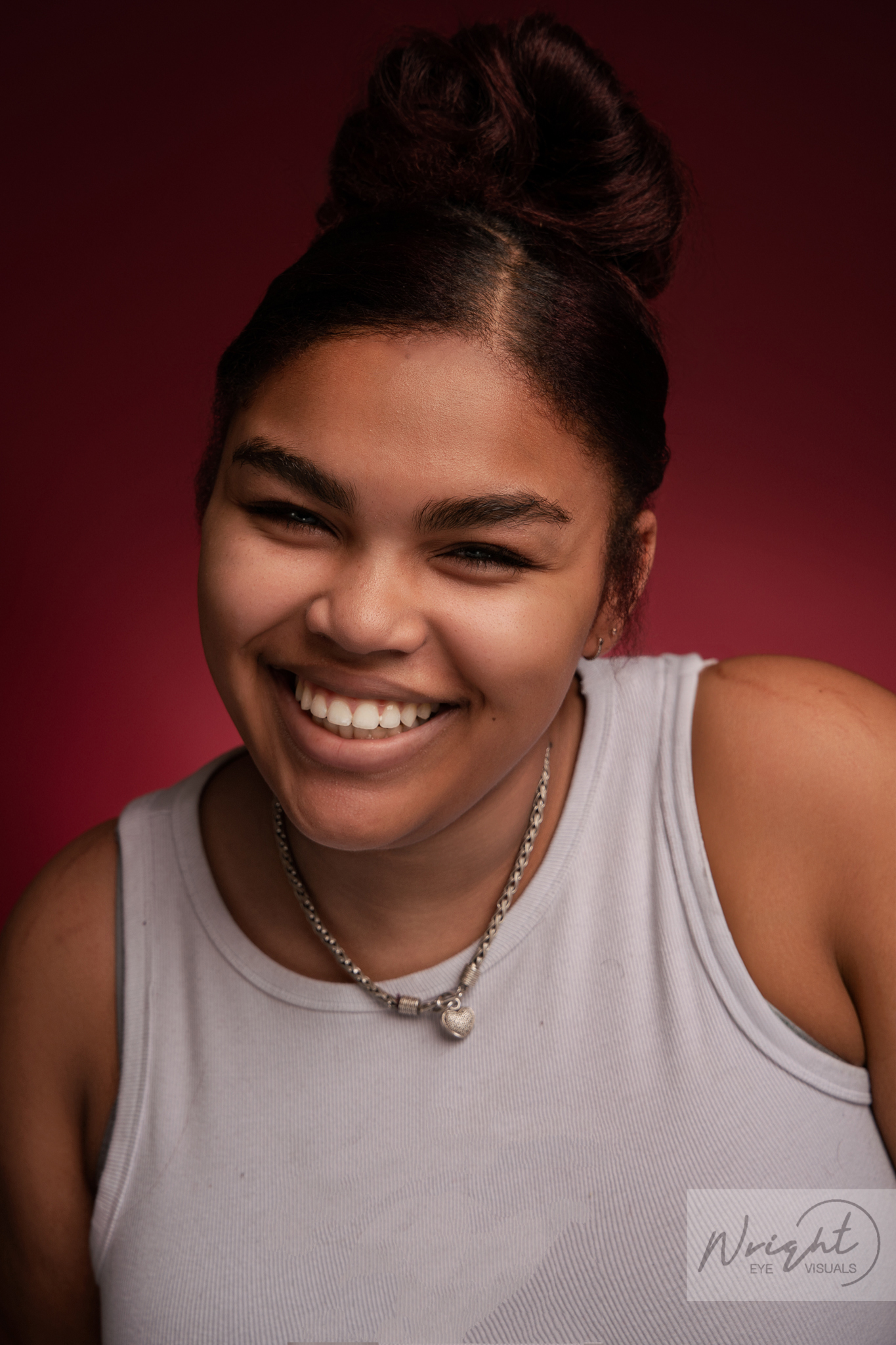
évah myles, 2026 Montgomery County Youth Poet Laureate
2026 Montgomery County Youth Poet Laureate
because
tomorrow the sun will rise, waves will crash on sand, birds will sing a song sang every morning
my cords can’t replicate, and tomorrow the moon will set, water will run off cliffs, jazz will play
in bars received by ears who don’t acknowledge the blood of the bleeding, tomorrow rain will
fall, but not on the boy dead from fire, not on the brother burned from reaching a hand to the
burning (he became who he attempted to rescue), tomorrow the sun will rise, and children will
cringe from the pop of fireworks, each shot a reminder of the lives a bullet has stolen in gluttony,
tomorrow the moon will set and a remote will click between sitcoms and genocides, what
channel validates your ego, makes you chew comfortability (like cotton never candied), because
tomorrow rain will fall, but not on me, and i will continue to run to a destination with no name.
eve
i open my mouth to the gods if music decides to cry from its
isolated home
my sinus is not big enough for all soil so it sits in my sockets where the sky’s
tears wish to lay
in my mouth lies a single sprout rooted in my esophagus and ‘round my heart
the earth speaks through me as it did evelyn
i kiss prayers into my mother’s few eyes to conceal my vintage
Voice
lips hide history
i woke up 8 years ago when music plagued our skies and the barometric pressure made
blood beat bluest
my heavy hearted body dragged by new seedlings pillaged to my mother and
whispered proverb needled into my dreams
hush hush my child she cried
i know
A body is burning.
A sneaker hangs by a
shoestring on an electric
line. Can you smell
it? The disgrace. The
dread. Crackles can be
heard for miles, and embers
travel over seas – seas so
far from the people in
drought. Has no one cared
to learn the name of the
dead? Are they another number to
you? Another tally on the mortality
count? Families gather in a town of
fire, tying together laces and throwing
them on wires. The shoe collection is
growing. The poles can barely hold their
lines. The kids cry. The mothers
scream. This is what the world sounds
like. Can you hear it? The misery. The despair. More
people have gone missing. The fires are growing. Bodies
are piling. We are running out of wire. The city is turning to
ash. Will there ever be water? Since the blues have kept us
red whilst showering themselves in the privilege of wealth. Those
who burn long to drown.
2026 Celebrity Judge
Kate Jaworski
évah myles crafts a visceral, raw, and surreal narrative that bridges personal memory with collective trauma, using experimental forms like concrete poetry to give physical shape to systemic violence. By weaving anatomical language with themes of ancestral connection, their work forces a confrontation between the comfort of the observer and the burning reality of injustice. Ultimately, évah’s poems serve as a profound call to witness, demanding that we acknowledge the weight of inherited history while finding beauty in the desperate search for healing.
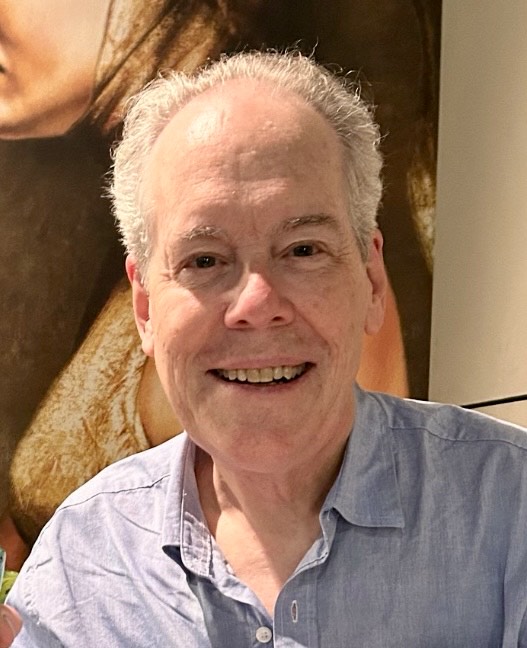
2026 MCPL Judge John Timpane
John Timpane is the former Books Editor and Theater Critic for the Philadelphia Inquirer. His work...
Poets Laureate